For two decades, the Higher Institute for Scientific and Medical Research (ISM) has been at the forefront of scientific research addressing major public health challenges in Cameroon and beyond.
Since its creation in 2005 by Prof. Joseph KAMGNO, ISM has established itself as a key player in both fundamental and applied research, actively contributing to the fight against infectious, tropical, and non-communicable diseases.
For two decades, the Higher Institute for Scientific and Medical Research (ISM) has been at the forefront of scientific research addressing major public health challenges in Cameroon and beyond.
Since its creation in 2005 by Prof. Joseph KAMGNO, ISM has established itself as a key player in both fundamental and applied research, actively contributing to the fight against infectious, tropical, and non-communicable diseases.


ISM has an impressive track record of:
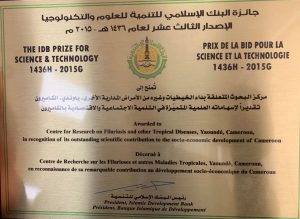
From 2005 to 2025, ISM has stood out as a center of excellence and has received several national and international recognitions, including:
ISM has built strong national and international partnerships, supporting major public health programs.
ISM is deeply committed to strengthening the capacities of scientific teams through training, field expertise, and scientific mentoring.
The Institute is also recognized for its mastery of community-based interventions aimed at improving the health and well-being of vulnerable populations.
Throughout this month of December, we want to end the year on a positive note with a full month of celebration. We invite you to join us in giving full brilliance to this 20th anniversary.
Join us as we enter a new phase of growth and service to the scientific and medical community.
Let us celebrate together 20 years of scientific commitment.
As we mark the 20th anniversary of the Higher Institute for Scientific and Medical Research (ISM), we are proud to announce the launch of the Department of Molecular Epidemiology and Pathogen Genomics (MEPG).
This new department represents a strategic response to the urgent challenges posed by tropical infectious diseases, emerging pathogens, and antimicrobial resistance across Africa.
MEPG is designed to position ISM as a national and regional leader in:
Through cutting-edge research and integrated approaches, the department aims to strengthen public health preparedness and response across Cameroon and the wider region.


Department Structure
MEPG is built on three specialized and complementary units:
Molecular Diagnostics & Genomics
Focused on pathogen detection, genomic sequencing, and molecular surveillance to support disease monitoring and control.
Computational Biology
Dedicated to bioinformatics, genomic data analysis, and the interpretation of molecular and epidemiological data for evidence-based decision-making.
Field Epidemiology & One Health
Integrating human, animal, and environmental health approaches through field investigations and applied epidemiological research.
Research, Surveillance, and Capacity Building
The department is committed to:
Generating high-quality scientific evidence
Enhancing genomic surveillance systems
Supporting disease elimination strategies
Training the next generation of African scientists
Looking Ahead
As ISM celebrates two decades of scientific excellence, we renew our commitment to a future driven by innovation, impactful partnerships, and transformative research a future that strengthens health security and fortifies public health systems in Cameroon and across the region.


Background
Elimination of onchocerciasis in hypo‑endemic areas co‑endemic with Loa loa remains a major challenge. The risk of serious adverse events (SAEs) when ivermectin (IVM) is administered to individuals with high Loa loa microfilarial loads (>30,000 mf/mL) has prevented WHO from recommending mass drug administration (MDA) in these settings. The LoaScope, a mobile, point‑of‑care diagnostic first validated in 2015, enables rapid quantification of L. loa infection intensity and supports a ‘Test‑and‑Not‑Treat’ (TaNT) strategy. Earlier generations of the LoaScope were successfully deployed in Cameroon, Nigeria, and Gabon. A third‑generation (G3) LoaScope has now been developed to improve durability, data processing, and field usability, and to enable scale‑up of TaNT.
Objective
To validate the field performance of the third‑generation LoaScope against conventional calibrated thick blood smear (CTBS) prior to large‑scale research and programmatic use, including assessment of diagnostic accuracy, reliability (intra‑/inter‑device and operator variability), and operational usability for TaNT.
Methods
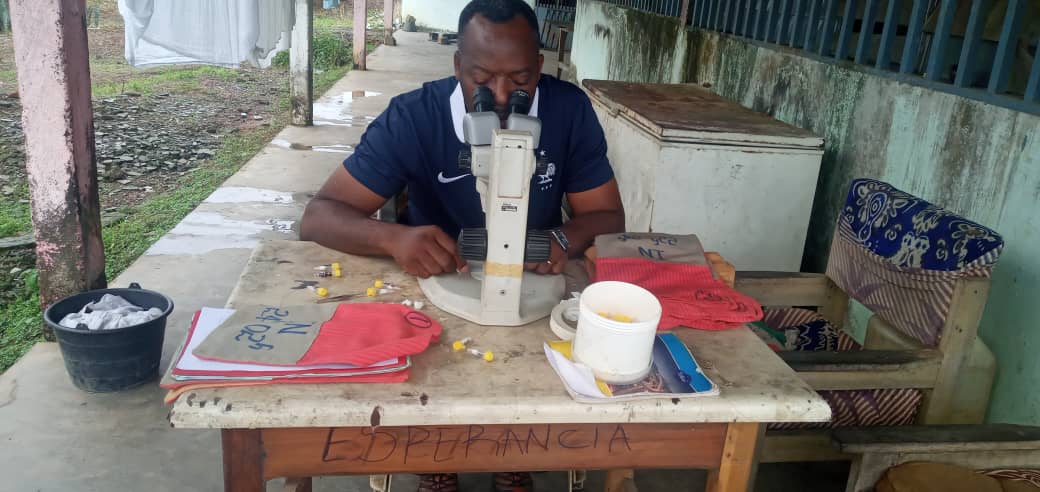
A cross‑sectional survey was conducted in the Awae Health District (Cameroon) between September–October 2023. Volunteers aged ≥10 years underwent interviews, parasitological testing (CTBS and LoaScope), and clinical assessment (RAPLOA). The performance G3 LoaScope was evaluated against CTBS as the gold standard. Inter‑ and intra‑device reliability, operator variability, and user feedback were also assessed.
Results
A total of 1,146 individuals (median age 43 years) were enrolled. The prevalence of loiasis was 30.9% by CTBS and 23.2% by LoaScope. Infection intensities were broadly comparable, though LoaScope consistently reported lower mf densities. Agreement between LoaScope and CTBS was moderate to substantial (Kappa ~0.66–0.72), with sensitivity around 66% and specificity near 99%. While LoaScope reliably detected infections, it identified fewer very high‑intensity cases (≥20,000 mf/mL) than CTBS (16 vs. 40). Reliability testing showed substantial intra‑device and almost perfect inter‑device agreement. User feedback was highly positive, though minor technical issues (screen freezing, capillary ejection, slow synchronization) were noted.
Concluding Remarks
The G3 LoaScope demonstrates strong reliability and specificity, with substantial ability to detect L. loa infections at point of care. While its discrimination of very high microfilarial densities remains lower than CTBS, the device is a critical tool for safely expanding ivermectin MDA in hypo‑endemic areas. Combined with statistical modeling and antibody diagnostics, the LoaScope offers a pathway toward a WHO‑endorsed strategy for onchocerciasis elimination in Loa loa co‑endemic regions. Ongoing refinements to address technical dysfunctions will further enhance its programmatic utility.
Ph.D. in Biochemistry, University of Yaoundé I (UY1)
Head of the immunology and biochemistry platform at ISM
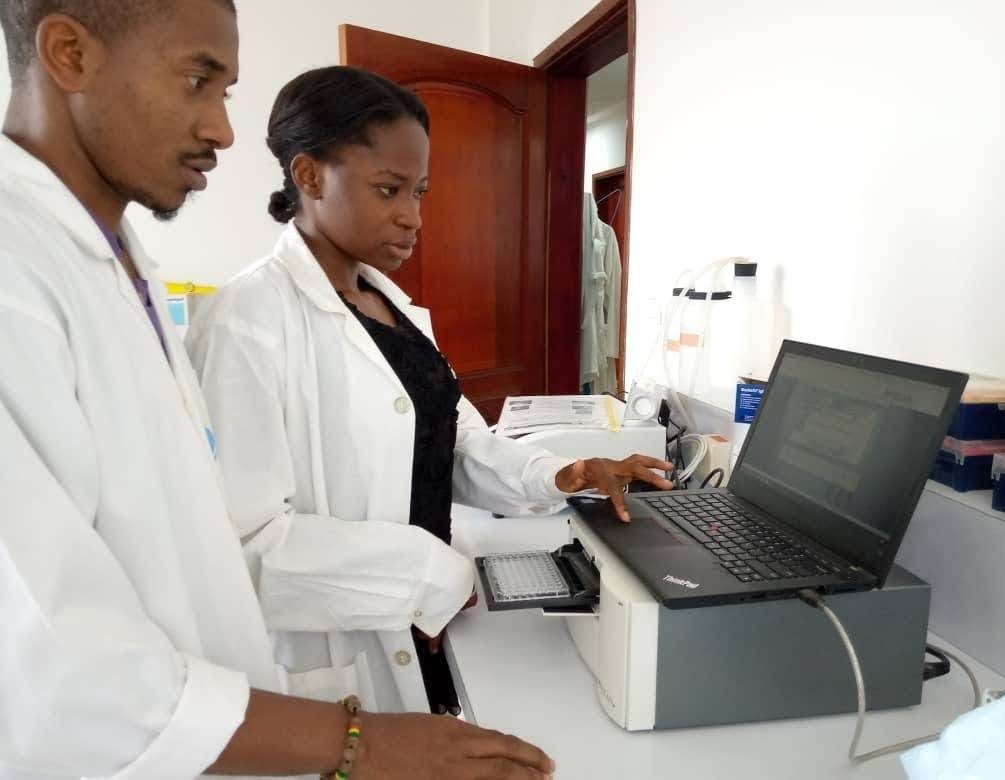
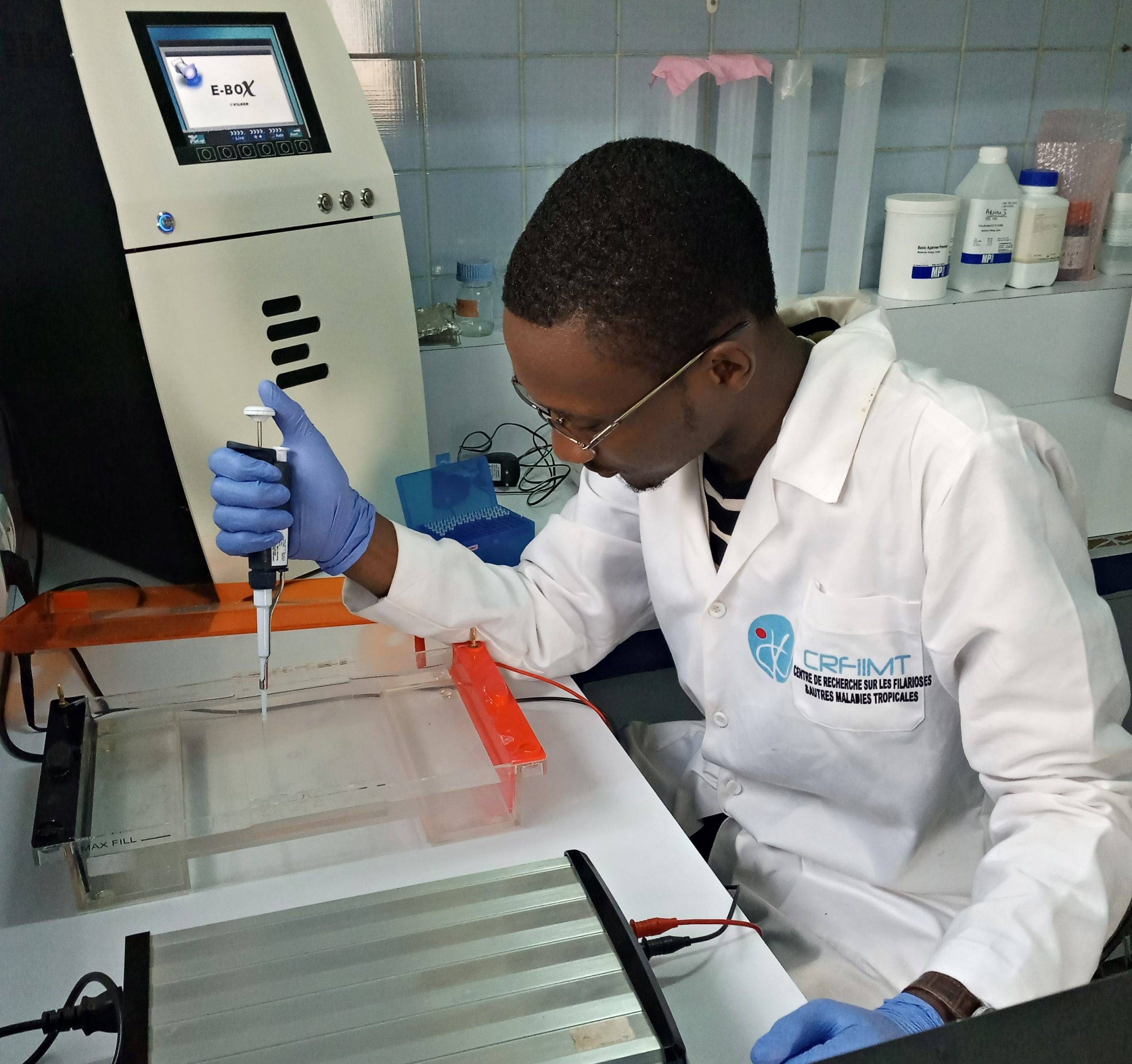
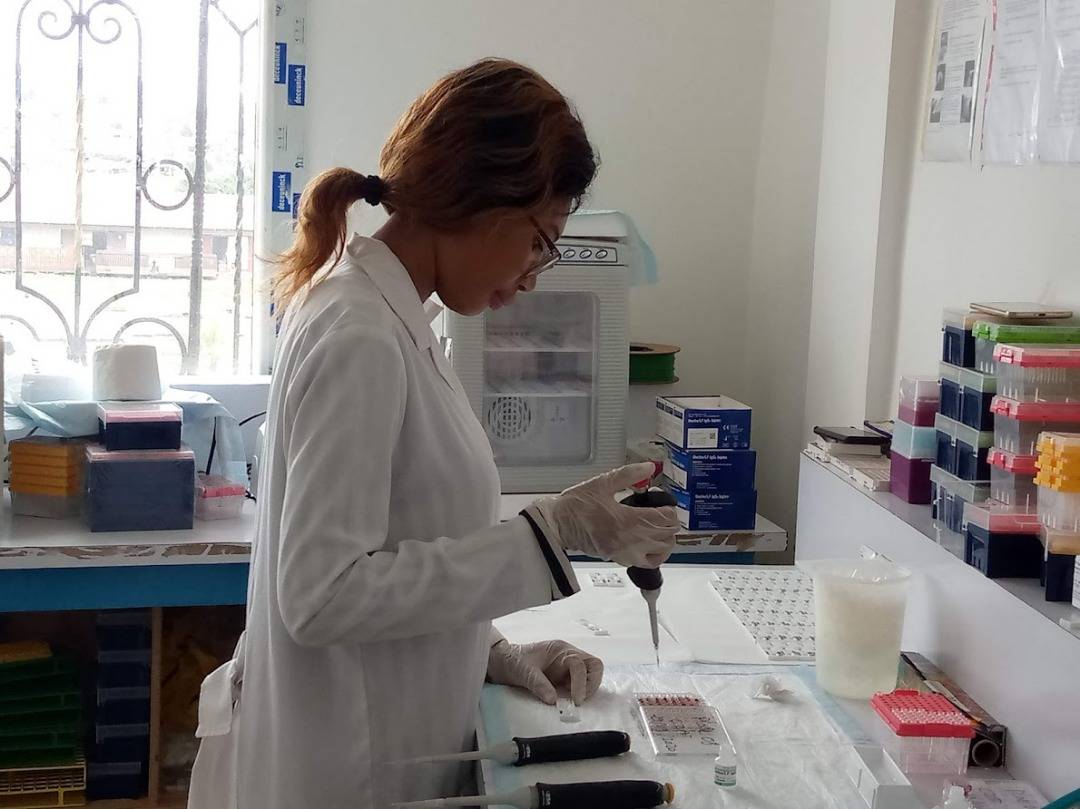
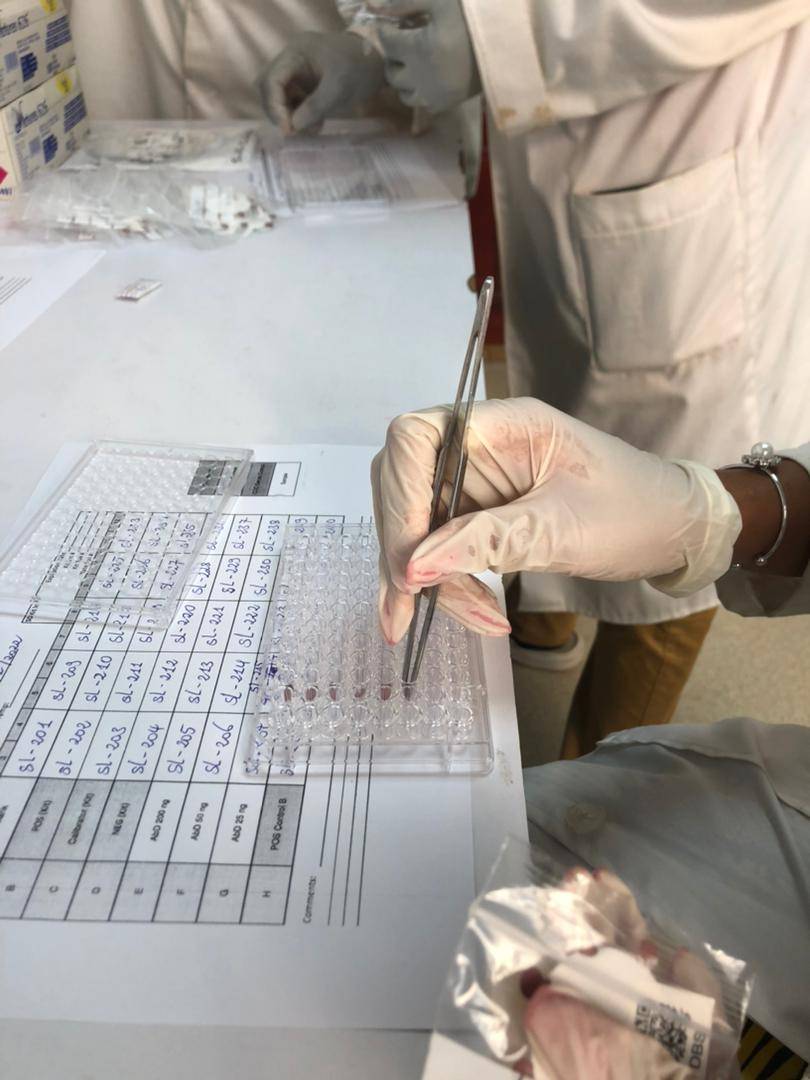
Our mission is to harness biochemistry and immunology as tools in the fight against infectious diseases, with a particular focus on neglected tropical diseases (NTDs). The platform conducts:
We are proud to serve as a reference laboratory supporting onchocerciasis elimination in Africa. In collaboration with the World Health Organization (WHO), we process samples and train technicians from other African countries within the framework of the Onchocerciasis Elimination Mapping (OEM) initiative.
Equipment and Capabilities
Our platform is equipped with a range of instruments that ensure high‑quality diagnostics and research outputs:
The Immunology and Biochemistry Platform combines cutting‑edge equipment, skilled personnel, and a clear mission to strengthen Africa’s fight against NTDs. By supporting WHO programs, training regional technicians, and advancing diagnostic innovation, we contribute directly to the global effort to eliminate onchocerciasis and other infectious diseases.
Our mission
Two decades ago, in 2005, the Higher Institute for Scientific and Medical Research (ISM) was founded with the clear and courageous mission to put high-quality biomedical research at the service of the fight against tropical diseases in Cameroon and beyond.
From its inception, ISM has worked as a Cameroonian non-for-profit organization dedicated to advancing health through applied scientific research. Its foundational missions include:
Over the years, ISM has broadened its spheres of action in response to pressing public health challenges in Cameroon. The organization has expanded its research portfolio to include:
Stay tuned as we continue our anniversary series, showcasing our milestones, scientific breakthroughs, and the extraordinary researchers who drive our mission forward.
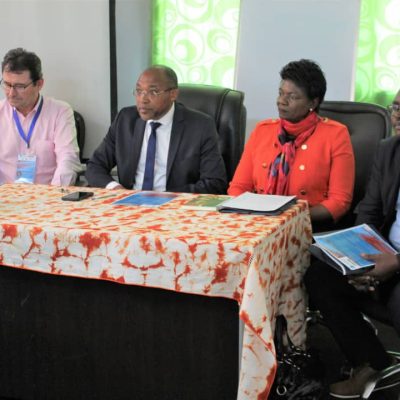
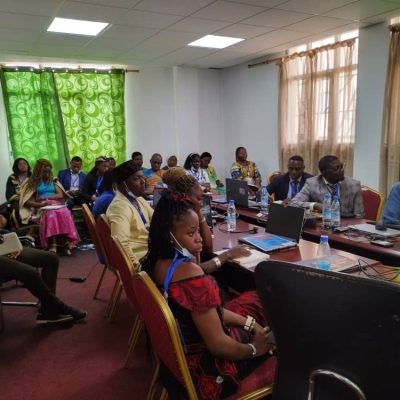
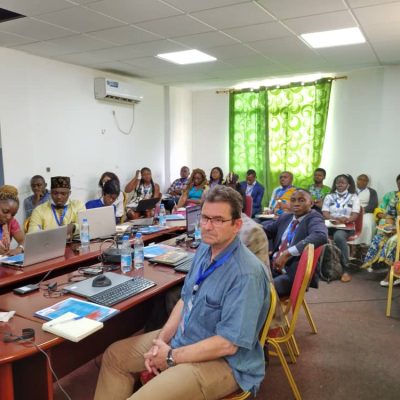
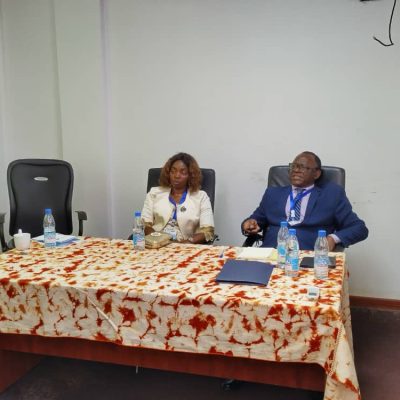
On Friday, 25 July 2025, the Institut Supérieur de Recherche Scientifique et Médicale (ISM) hosted a high-level scientific consultation focused on the current challenges and priorities in HIV/AIDS research.
The session brought together several renowned Cameroonian researchers alongside ISM’s scientific team, fostering a spirit of collaborative reflection and knowledge exchange.
Discussions centred on the key issues surrounding prevention, treatment, and the understanding of virological and immunological mechanisms related to HIV. Innovative research avenues were explored, tailored to the epidemiological and socio-anthropological specificities of the Cameroonian context.
This consultation represents a significant step towards strengthening national scientific synergies in the fight against HIV/AIDS. It paves the way for promising new collaborations, with the potential to deliver tangible progress in applied research and public health.
Through this initiative, ISM reaffirms its commitment to generating relevant scientific knowledge on high-impact diseases affecting Cameroon and Central Africa.


From 28 April to 12 May 2025, a team from ISM, comprising around forty members, carried out the collection of epidemiological, nutritional, and social data in the area designated for the construction of the Kikot Dam and in selected control zones. The aim is to assess the prevalence of certain diseases, including vector-borne and non-communicable diseases.
Alongside this epidemiological survey, a nutritional assessment focusing on children was conducted. The third component of the study involves a social survey addressing behaviours that impact health, such as dietary habits, sexual behaviour, and addictions.


On December 10, 2024, in Cotonou, Elisabeth Amelie Gladys Ngono, a distinguished researcher at the Higher Institute for Scientific and Medical Research (ISM), was awarded the prestigious 15th L’Oréal-UNESCO Foundation Prize. As the only laureate representing Central Africa, she was recognized for her pioneering research on tropical diseases and her innovative contributions to the prevention of onchocerciasis.
This international recognition highlights her vital role in advancing health sciences and her impact on addressing major public health challenges in the region.


Female scientists/rising stars from the ISM are sharing her experiences.
Let together inspires the next generation of women scientists


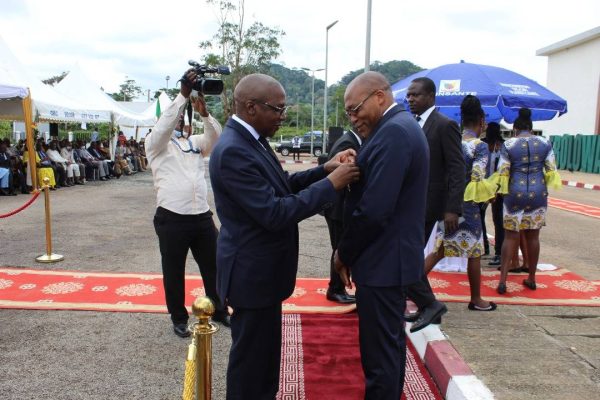
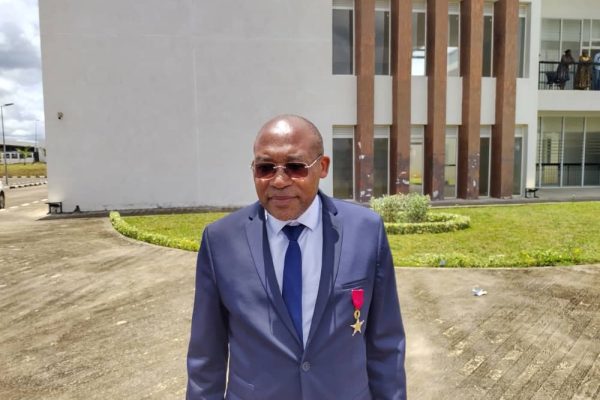
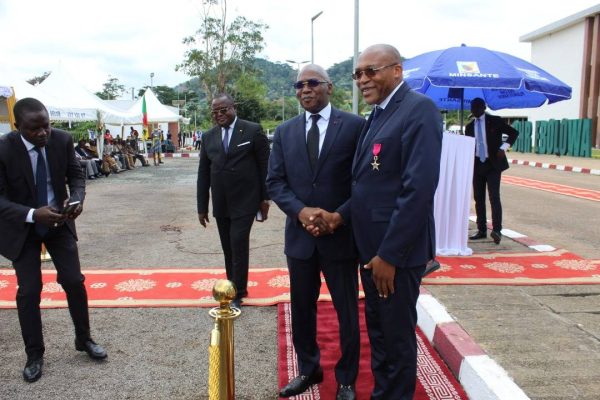
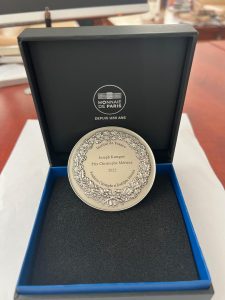
On January 9, 2024, Professor Joseph KAMGNO, CEO of the Higher Institute of Scientific and Medical Research (ISM), was honoured by receiving the Knight’s Medal of the National Order of Merit of France. The vibrant ceremony took place at the Residence of France in Yaounde, in the presence of the Ambassador of France to Cameroon, His Excellency Thierry Marchand.
This distinction, awarded by President Emmanuel MACRON on July 19, 2023, was officially conferred upon Professor KAMGNO during a solemn ceremony on January 9, 2024.
We extend our heartfelt congratulations to Professor Joseph KAMGNO for this well-deserved recognition, attesting to his exceptional commitment and remarkable contribution to the field of scientific research. This medal underscores the significant impact of Professor KAMGNO in the world of scientific research, and we are honoured to celebrate this outstanding achievement.


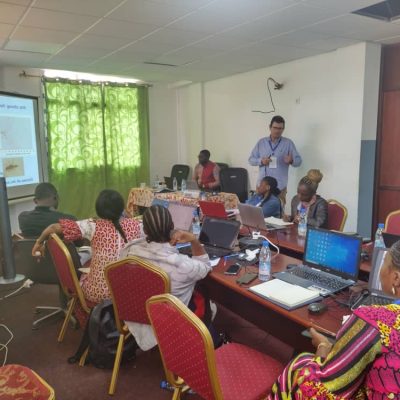
On October 5-6, 2023, a training course on modelling for medical entomologists was organized by the Applied Malaria Modeling Network (AMMnet) and the Organisation de Coordination pour la lutte contre les Endémies en Afrique Centrale (OCEAC).
Held at the OCEAC conference hall in Yaoundé, Cameroon, this course aimed to equip Medical Entomologists with modelling skills, and foster collaboration between Entomologists and Modelers. Two ISM Research Assistants, André DOMCHE (Medical Entomologist) and Orville W. HAPPI TCHAKOUNTÉ (Data Scientist and Modeler), took part in this training facilitated by Mr. Yannick NIAMSI EMALIO, Head of the Data Science and Computer Science Department at ISM.


During his stay in Cameroon, Dr. John Barrows, President and CEO of the International Eye Foundation (IEF), paid a visit to the Higher Institute for Scientific and Medical Research (ISM) on Thursday, July 20, 2023. He was accompanied by Madame Caira Grey-Johnson (Program Manager IEF-USA) and a few members of the IEF Cameroon Office.
During the visit, a working session was held to discuss the collaboration between IEF and ISM, particularly regarding their joint commitment to combat onchocerciasis.
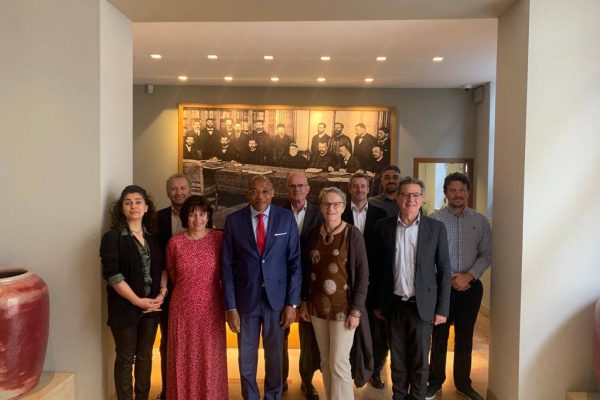
The IEF delegation had the opportunity to tour the facilities of ISM and appreciate the current installations that offer potential for future collaborations. The visit concluded with a group photo.


🔬🌍 The Microbiome at the Heart of the Fight Against Tropical Diseases! 🦟🦠
The Higher Institute for Scientific and Medical Research (ISM) hosted an exciting international symposium on “Innovative Approaches to Anti-Vector Control: The Role of the Microbiome” from June 29 to June 30, 2023. This symposium was organized as part of the activities of the International Research Group-South “Trypanosome-Onchocerciasis: Microbiome for Anti-Vector Control” (GDRI-South TROUVE), with financial support from the Institute of Research for Development (IRD).
For two days, experts in human and animal health, as well as researchers from around the world, exchanged their knowledge on innovative approaches to combat the vector insects of trypanosomiasis and onchocerciasis. The central focus of the discussions was the microbiome of these vectors and its potential to suppress their vector competence.
🤝 This scientific event was co-organized by two distinguished researchers: Dr. NANA DJEUNGA, Researcher at ISM and President of the Symposium’s Organizing Committee, and Dr. Anne GEIGER, Researcher at IRD in Montpellier, France, and Coordinator of GDRI-South TROUVE. They joined forces to bring together various stakeholders involved in the fight against tropical diseases in Cameroon and Guinea, during an enriching roundtable discussion preceding three sessions.
🎓 Young researchers and students also excelled during this symposium by presenting their research to the experts in attendance at ISM. A unique opportunity to share their findings and engage with leading specialists.
Under the patronage of the Ministry of Public Health of Cameroon, this event was inaugurated by Professor Emilienne EPEE, Head of Service in charge of Research at the Integrated Coordination Unit for Neglected Tropical Diseases. As for the closing ceremony, it was graced by the presence of Dr. Georges B. NKO’AYISSI, Deputy Director in charge of Malaria and Neglected Tropical Diseases, accompanied by numerous distinguished guests.
We are thrilled to announce that the momentous inauguration of the ISM (Higher Institute for Scientific and Medical Research) took place on June 1st, with great success and acclaim. This significant event marked a major milestone in our relentless pursuit of advancing scientific and medical research.
We would like to express our heartfelt gratitude to all those who attended and contributed to the resounding success of the ceremony. It was an occasion filled with immense pride, enthusiasm, and a shared commitment to pushing the boundaries of scientific knowledge.
With the ISM now officially open, we are ready to embark on our mission of trailblazing research, innovation, and excellence in the field of scientific and medical studies. Our world-class facilities, distinguished faculty, and passionate researchers are poised to make groundbreaking discoveries and shape the future of healthcare.
We extend our sincerest appreciation to all our partners, and dedicated individuals who have played a vital role in bringing the ISM to life. Together, we will continue to drive forward advancements in scientific and medical research, making a profound impact on global health.


The CRFilMT (Center for Research on Filariasis and other Tropical Diseases) is evolving to become the ISM (Higher Institute for Scientific and Medical Research).
We are delighted to announce this significant change. The ISM represents our ongoing commitment to cutting-edge scientific and medical research in the field of tropical diseases.
You will also notice that our logo has been updated. The logo on the left is now our new symbol that you should familiarize yourself with.
We look forward to continuing our research mission and actively contributing to the fight against tropical diseases through the ISM.
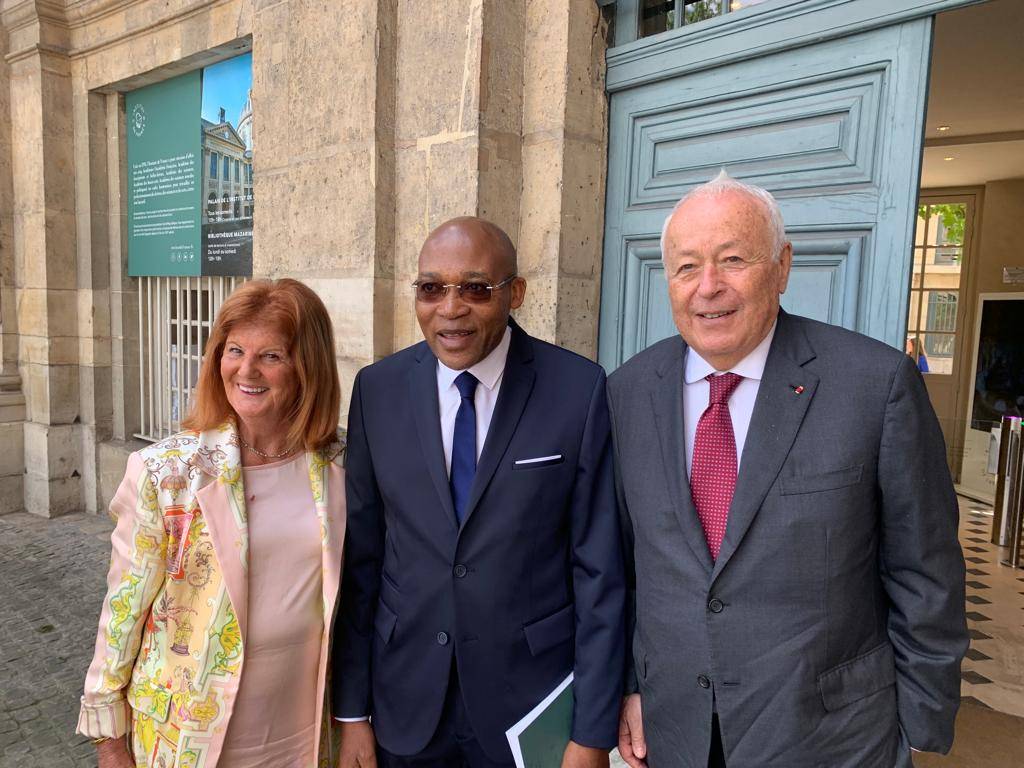
The Higher Institute for Scientific and Medical Research (ISM) welcomes Mr. Alain MERIEUX to Cameroon
Visiting Cameroon from May 31 to June 2, 2023, Mr. Alain Mérieux, President of the Mérieux Foundation and Honorary President of the Christophe and Rodolphe Mérieux Foundation, will take part in the inauguration ceremony of the building-headquarters of the Higher Institute for Research Scientific and Medical (ISM), June 1, 2023. This ceremony will be chaired by His Excellency Professor Jacques FAME NDONGO, Minister of State, Minister of Higher Education, representative of the Prime Minister, Head of Government.
On June 1, 2023 at 3 p.m., the ISM headquarters building will be inaugurated in the presence of government personalities, administrative and scientific authorities and diplomats.
The building has five levels housing a research laboratory, a medical analysis laboratory, a medical center, an amphitheater and a conference room.
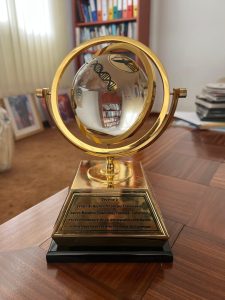
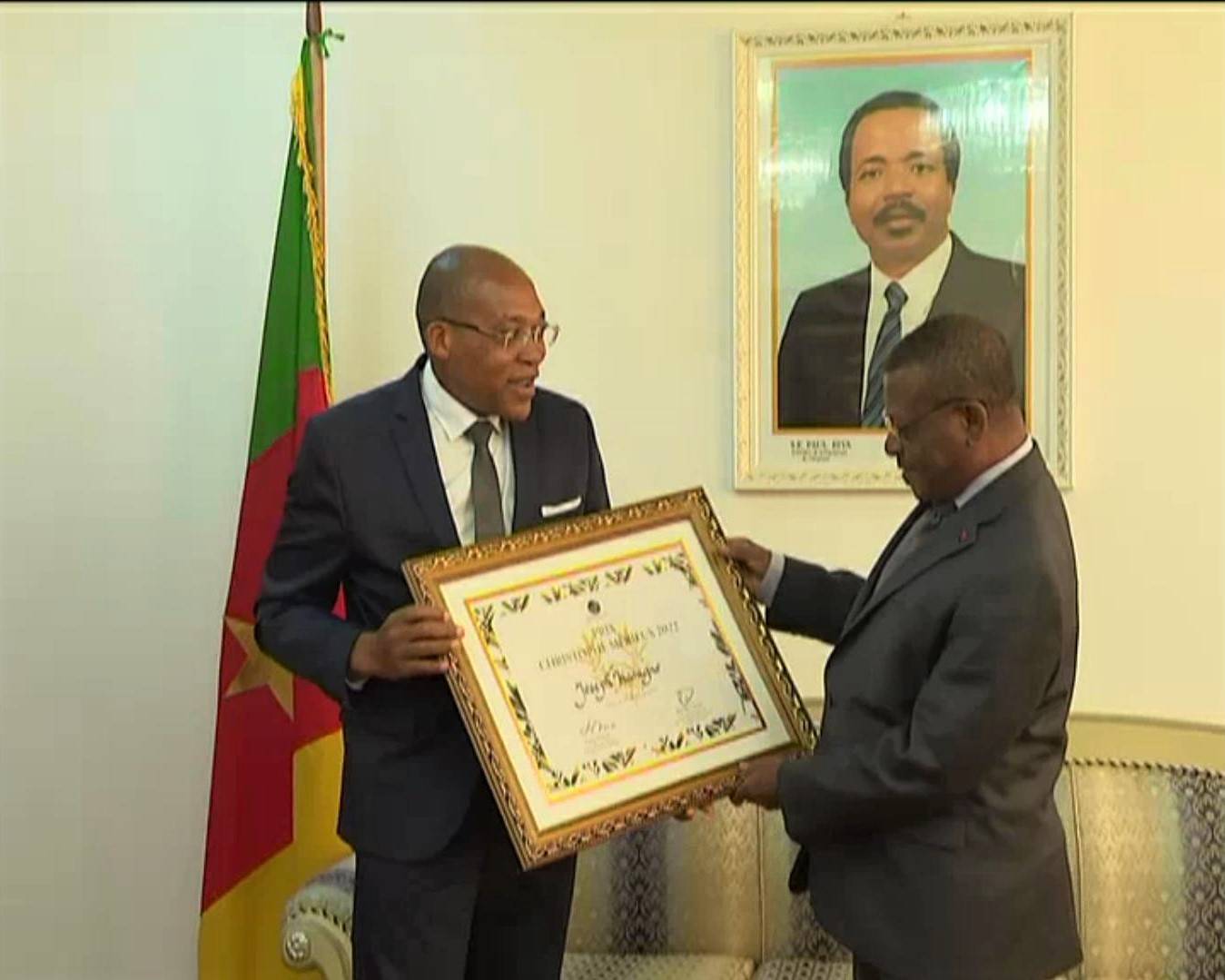
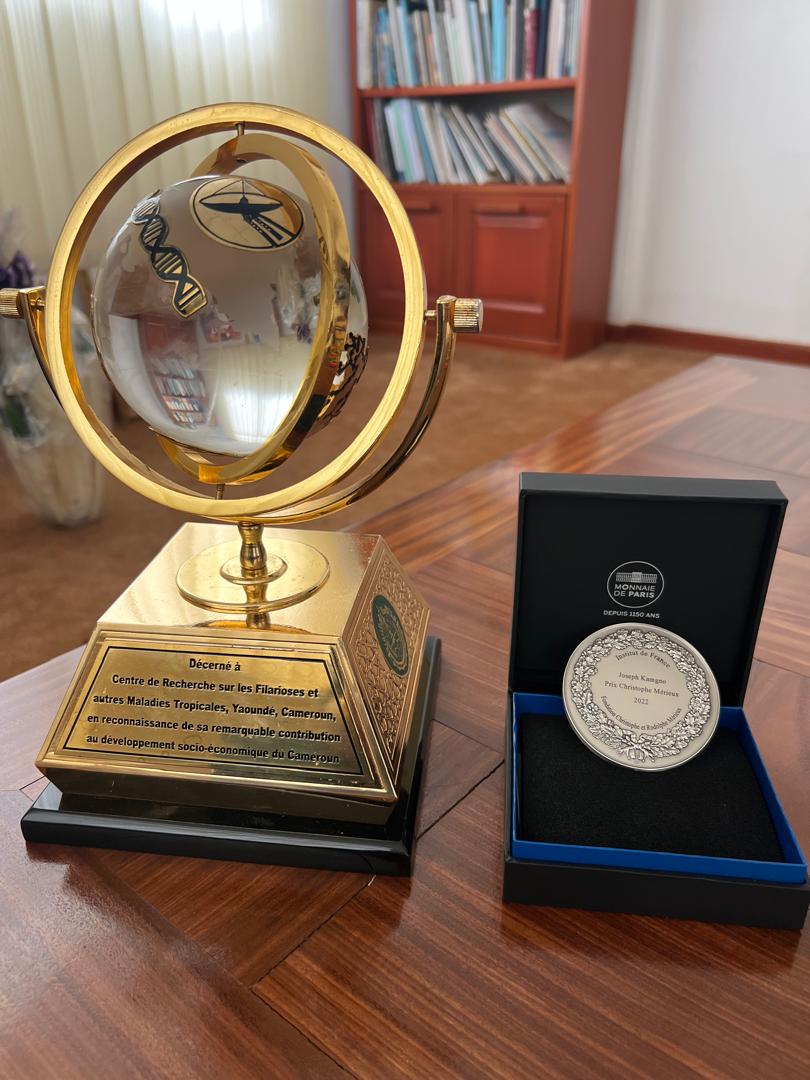
Since 2007, the Christophe and Rodolphe Mérieux Foundation has awarded a Scientific Grand Prize each year, entitled “Christophe Mérieux Prize” to a researcher or research team studying infectious diseases in developing countries. The selection of the winner is made by the “Institut de France” on the proposal of the Mérieux Foundation, which submits to the Institute personalities identified in the field.
This prize is intended to help research on infectious diseases in developing countries and exclusively reward research teams working permanently within these countries.
Copyright © 2025 Made by ISM Cameroon